L’Oréal’s LED face mask announcement at CES 2026 gives beauty brands a useful reason to revisit their device plans. The company described a flexible silicone prototype and an expected 2027 launch. That is a product-development signal, rather than evidence that every brand needs to launch a similar device.
Source: L’Oréal official announcement, 5 January 2026 — loreal.com
For a brand planning its next LED beauty device, the practical question is how to select a platform that fits its customers, supports a clear product story and arrives with evidence its team can assess.
Buyer takeaway. Define the gap in your range, compare a documented configuration, evaluate the sample on the intended routine, and record exactly what you approve.
1. Start with the gap in your range
Before comparing suppliers, define what the next device should add. Is it a different wearing format, a neck-care extension, simpler controls or an easier routine? A new housing colour may refresh a range, but it does not automatically create a compelling reason to buy.
Write a short brief covering the target customer, destination market, intended use, retail positioning and desired launch window. Identify which requirements are essential and which are optional. This makes supplier comparisons more useful than collecting catalogues with different feature lists.
2. Compare light output under stated conditions
LED count and colour names are useful starting points, but they do not describe the complete output of a device. Ask for the specified wavelengths, measured irradiance, measurement distance, operating mode and test method.
Check whether a reported value represents one measurement point or a mapped area. A report should identify the tested model and configuration. If you change the LED mix, controller or treatment geometry, ask whether the original report still describes the proposed product.
Use this information to compare platforms consistently. A higher number on a specification sheet should lead to questions about measurement conditions and intended use, rather than an automatic performance ranking.
3. Evaluate the routine as carefully as the hardware
A sample assessment should include fit, strap adjustment, controls, charging, cleaning and instructions. Ask evaluators to complete the intended routine and record where they need help.
For a face-and-neck range, check whether the products feel like one coherent family. Controls, accessories, packaging and customer instructions should make sense together, even when the devices use different formats.
A handheld device also creates different expectations from a wearable mask. Consider the time and effort required from the user before adding more functions to the product brief.
4. Build an evidence file for the exact configuration
Ask your supplier to connect each document to the product it covers: model number, manufacturer, tested configuration and intended market. Keep the approved specification, sample reference and packaging artwork linked to that file.
Avoid copying another device’s claims into your own launch materials. A supplier’s general credentials or a report for a related model does not establish the claims for your finished product. Have the relevant specialist review the proposed market positioning and documentation before release.
5. Include customer support in the buying decision
Ask how replacement controllers, straps and charging accessories will be identified and supplied. Confirm what information the supplier needs to investigate a fault and how product changes will be communicated.
Prepare a customer FAQ alongside the product, with answers drawn from the approved instructions. Clear guidance on charging, modes, cleaning and routine use gives your support team a consistent reference.
6. Agree what sample approval means
A useful sample review ends with a recorded decision. List the approved configuration, required changes and evidence still outstanding. Confirm whether branding, firmware, packaging or accessories remain provisional.
Before production, agree how later changes will be reviewed. The sample, purchase specification and inspection criteria should describe the same product.
Compare a face-only mask and a face-and-neck set
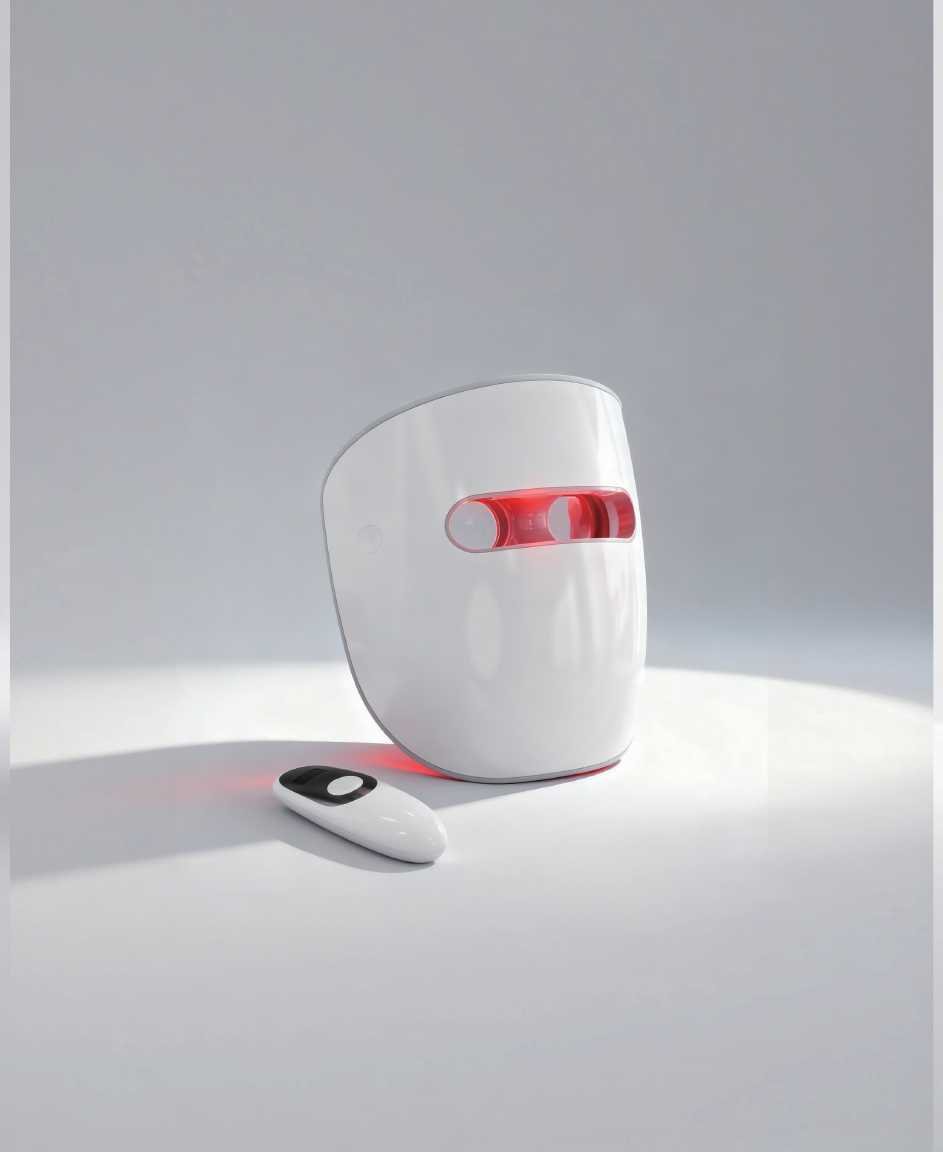
Start with the coverage your range needs. The RB-096A short-chin mask is a face-only design with a mask button and wireless remote. The RB-069A + RB-065-02 set pairs separate face and neck devices.
Ask suppliers to quote the same scope. For each option, confirm the devices and accessories included, the retail packaging, and the documents available for the target market and exact configuration. During sample review, record comments on fit, controls, charging and unpacking.
Request an RB-096A sample or ask for a face-and-neck set quote.
What to request before comparing quotations
- Product fit — request a model and configuration sheet; check the gap it addresses in your range.
- Optical output — request the test report and measurement conditions; check the proposed configuration matches.
- User experience — request a sample, accessories and instructions; assess the intended routine.
- Documentation — request a model-to-document index; check model, manufacturer and destination market.
- After-sales — request a parts list and support procedure; clarify faults and replacements.
- Production release — agree the approved sample and change procedure; record the configuration.
A practical platform-review checklist
- What customer need does this device address within our range?
- Which optical measurements describe the proposed configuration?
- Does the wearing or handling experience fit the intended routine?
- Which documents cover this model and destination market?
- What support parts and customer guidance will be available?
- What exactly are we approving before production?
Discuss your next LED device project
Lumiyan’s range includes LED face masks, neck-care formats and handheld beauty devices. Share your target market, product format and branding requirements so we can discuss relevant platforms and the information needed for evaluation.
Prepare a short project brief
For a useful first discussion, include your destination market, intended use, preferred format, branding scope and target launch window. Add a quantity estimate if available and identify which requirements are still open.
Source notes
The industry announcement is attributed to L’Oréal and does not imply a partnership or endorsement. The review workflow and checklist are editorial guidance. Product specifications and commercial terms should be confirmed for the selected configuration.